Which Ancient Philosopher Are You?

Ever wondered which great mind from the ancient world you’d click with at a symposium — or at least, whose philosophy you’d share? While we can’t all spend our days debating under olive trees or meditating in mountaintop monasteries, we can tap into the timeless wisdom of the ancients. From Greece to India to China, these thinkers shaped how humanity has wrestled with life’s biggest questions.
Read on to see which of the six philosophical giants — three from the East, three from the West — matches your own worldview.
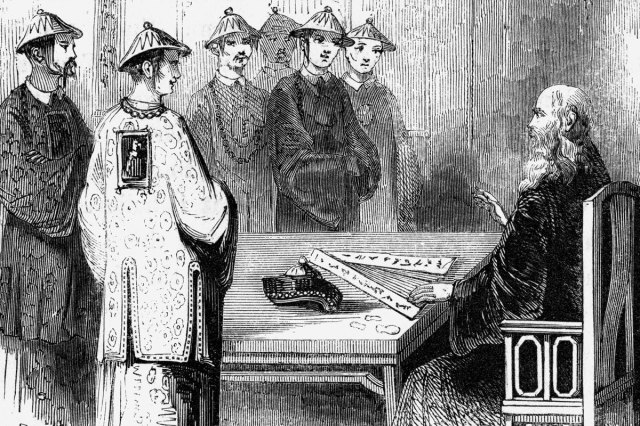
Confucius: The Harmony Builder
This Chinese sage emphasized morality, respect, and proper conduct, believing that a harmonious community begins with each individual fulfilling their role. For Confucius (551-479 BCE), ethics and etiquette weren’t stuffy rules — they were the glue holding families, friendships, and nations together. His wisdom suggests that cultivating kindness and order in daily life can ripple outward to shape the entire world, one thoughtful action at a time.
You might be Confucius if:
- You believe rules and traditions exist for a reason.
- You value respect for elders and the wisdom of the past.
- You think a healthy society starts with strong families and ethical leaders.
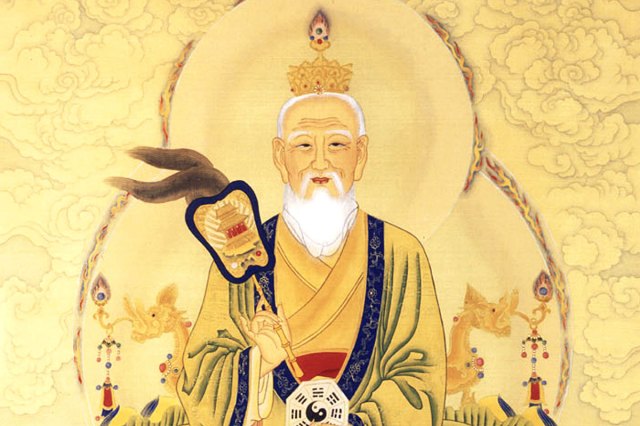
Laozi: The Flow Master
If you think forcing things only makes them harder, Laozi (circa sixth century BCE) is your kindred spirit. The legendary author of the Tao Te Ching taught that the best way to live is in harmony with the Tao — the natural flow of the universe. He championed simplicity, patience, and noninterference, believing that strength often comes from yielding, like water wearing down stone. Laozi’s philosophy whispers that the less you cling, the more life unfolds in your favor — and that sometimes doing nothing is the wisest move of all.
You might be Laozi if:
- You’d rather take the scenic route than fight traffic.
- You believe in working with nature rather than against it.
- You’ve been accused of being too chill (and you’re fine with that).
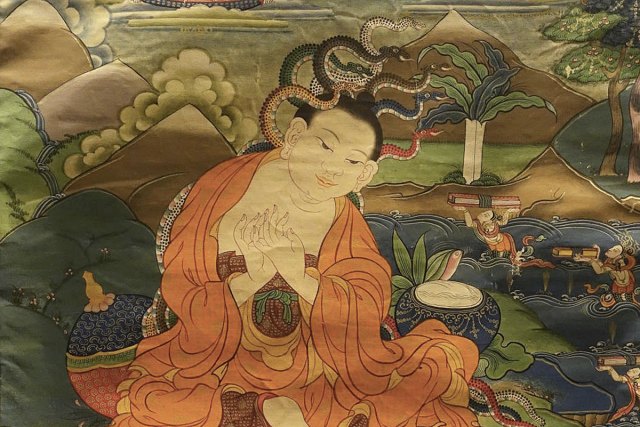
Nāgārjuna: The Master of the Middle Way
A Buddhist philosopher, Nāgārjuna (circa 150-250 CE) developed the doctrine of śūnyatā, or “emptiness,” meaning that nothing has an independent, permanent essence. This wasn’t nihilism — it was a call to let go of rigid thinking and live with compassion and balance. If you think that clinging to extremes only leads to trouble, Nāgārjuna might be your philosophical twin. He believed reality is interdependent and constantly changing, so the wisest path lies in the “Middle Way,” avoiding rigid views on either side. Nāgārjuna’s work invites you to step lightly through life, seeing everything as both real and not entirely solid, like walking across a bridge made of mist and knowing it can still carry you.
You might be Nāgārjuna if:
- You think labels and categories oversimplify reality.
- You’re comfortable with paradox.
- You seek liberation from suffering — not just for yourself, but for others too.

Socrates: The Questioner
If you’re the kind of person who answers every question with another question, you might relate to Socrates (470-399 BCE). This Athenian thinker believed that true wisdom came from recognizing your own ignorance, and he used relentless questioning — the “Socratic method” — to help others uncover their own beliefs and assumptions. To him, conversation was a tool for transformation, not just chitchat.
You might be Socrates if:
- You ask “why?” at least five times in every conversation.
- You’d rather debate than make small talk.
- You suspect certainty is overrated.
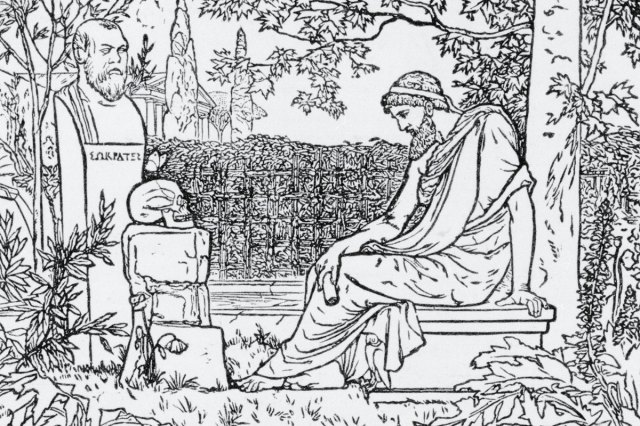
Plato: The Idealist
If you often find yourself wondering about the perfect version of everything — justice, love, even chairs — you might feel an affinity for Plato (427-347 BCE). A student of Socrates, he believed that the world we see is just a shadow of a higher reality filled with perfect “Forms.” For him, philosophy was about turning away from illusions and seeking the truth behind appearances. Plato’s ideas encourage you to look beyond what’s in front of you and strive toward the ideal, even if you never quite get there, because the pursuit itself can be transformative.
You might be Plato if:
- You’re always searching for deeper meaning.
- You love talking about abstract concepts such as justice, beauty, or the nature of the soul.
- You can’t stop wondering if our world is just a shadow of a better one.
Aristotle: The Realist
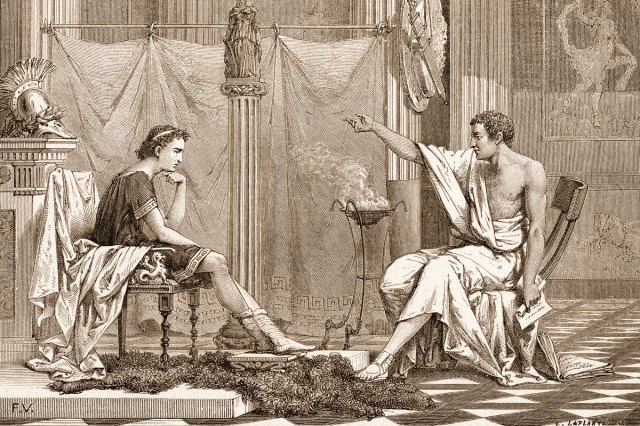
If you like your life advice to come with a detailed plan and a few charts, you’re probably most like Aristotle (384-322 BCE). A student of Plato and tutor to Alexander the Great, Aristotle was all about studying the natural world, human behavior, and logic to figure out how to live well. He believed in the “golden mean” — a balanced life between excess and deficiency — as the path to virtue. Aristotle’s work suggests that if you want to flourish, you need to think practically, observe carefully, and keep your moral compass calibrated.
You might be Aristotle if:
- You like practical wisdom more than lofty ideals.
- You think virtue is a habit you build, not a state you magically achieve.
- You enjoy classifying things — whether it’s plants, moral virtues, or pizza toppings.
Author Bess Lovejoy
August 27, 2025


Comments
Post a Comment