The Biggest Archaeological Discoveries in Recent History

The Biggest Archaeological Discoveries in Recent History
From lost cities to ancient maps, modern archaeological discoveries have transformed our understanding of the past. Experts now use cutting-edge tools such as Lidar, deep-sea scanning, and radiocarbon dating to uncover long-forgotten sites and artifacts — and they’re rewriting history in the process.
In recent years, these advancements have led to the discovery of the oldest European map, a remarkably preserved Greek shipwreck, and the tomb of a pharaoh who was almost lost to history. Each of these finds sheds new light on ancient civilizations, revealing how people traveled, built their cities, and honored their dead. Here are five incredible discoveries made since 2014, reminding us that history always has secrets just waiting to be uncovered.
The Oldest Known European Map
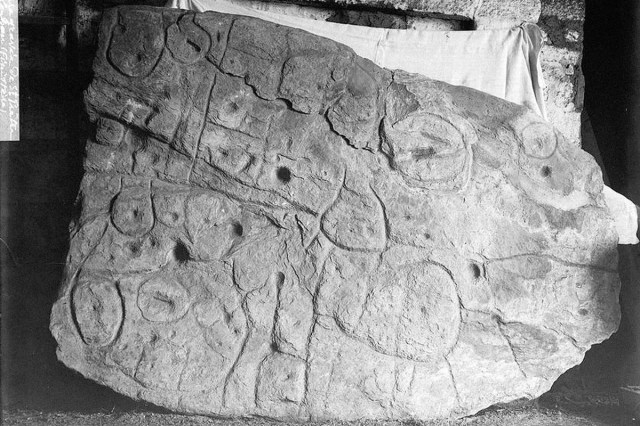
When the Saint-Bélec Slab, a Bronze Age carved stone, was first discovered in 1900 in France, it was largely overlooked and remained forgotten for more than a century. In 2014, researchers rediscovered the 5-by-6.5-foot stone slab in a French castle and decided to investigate further. Using modern techniques, Bournemouth University’s Clément Nicolas and his team analyzed the 4,000-year-old artifact and noted that the carvings on one side of the slab resembled a map.
Their research revealed that the engraved lines and repeated symbols represented the Odet river valley in western Brittany, making the artifact an early example of cartography. Comparing the markings to a modern map, they found an 80% accuracy match, confirming that the Saint-Bélec Slab is the oldest known map depicting a territory in Europe. This discovery offers insights into the territorial organization and mapping skills of Bronze Age societies and could lead to the discovery of previously unknown ancient sites.
The World’s Oldest Intact Shipwreck
In 2018, maritime archaeologists from the Black Sea Maritime Archaeology Project (MAP) discovered an exceptionally well-preserved ancient Greek merchant ship at a depth of 1.3 miles off the Bulgarian coast in the Black Sea. Radiocarbon dating indicates that the vessel is approximately 2,400 years old, dating back to around 400 BCE, making it the world's oldest known intact shipwreck.
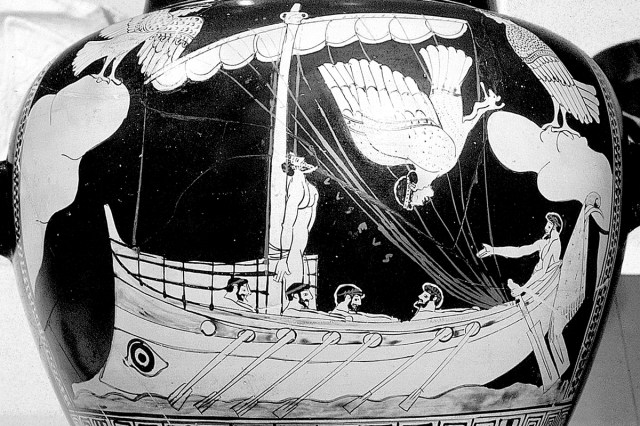
Measuring about 75 feet in length, the ship was found lying on its side on the seabed, with its mast, rudders, and rowing benches still intact. The anoxic (oxygen-free) conditions at this depth prevented organic materials from decaying, allowing the ship to remain remarkably well preserved. Its design closely resembles ships depicted on ancient Greek pottery, such as the Siren Vase in the British Museum, which illustrates Odysseus tied to the mast as he resists the Sirens' call. This discovery provides researchers with valuable insights into ancient Greek shipbuilding and maritime trade.
A Thousand-Year-Old Maya Palace
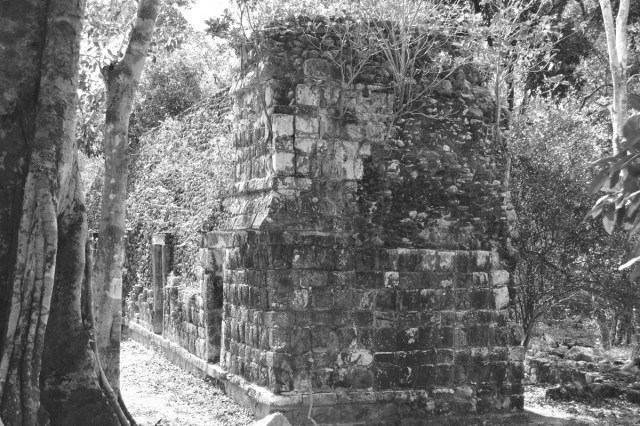
In late 2019, archaeologists uncovered a Maya palace in the ancient city of Kulubá, located in Mexico’s Yucatán Peninsula near modern-day Cancún. Believed to be more than a thousand years old, the structure measures approximately 180 feet long, 50 feet wide, and 20 feet tall, and appears to have had six rooms. Part of a larger complex that includes a burial site, the palace is believed to have been occupied during two distinct periods between 600 CE and 1050 CE, serving as a residence for the Maya elite.
The Kulubá archaeological zone — a pre-Hispanic site in the Yucatán state — was first discovered in 1939, but was only recently acquired by Mexico's National Institute of Anthropology and History (INAH), which made the 2019 discovery. Ongoing excavations aim to further explore and preserve these structures, allowing researchers to learn more about the cultural and historical significance of Kulubá within the Maya world.
A Lost City in Greece
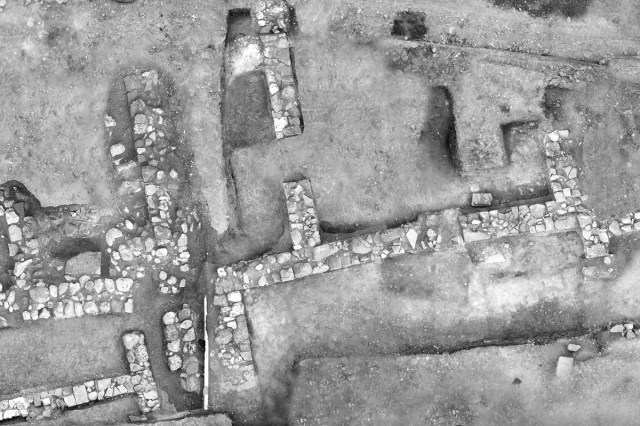
The lost city of Tenea, an ancient Greek settlement, was long considered mythical until it was unearthed in 2018. According to legend, it was founded around 1100 BCE by Trojan prisoners of war after the fall of Troy. Ancient sources, including the geographer Pausanias, referenced a place called Tenea, but its exact location remained unknown for centuries.
Archaeological interest was sparked in 1984 when a sarcophagus was found near the village of Chiliomodi. Decades later, Greek archaeologist Elena Korka led excavations that revealed well-preserved structures, clay floors, houses, pottery, and over 200 coins dating from the fourth century BCE to the late Roman period. These findings confirmed Tenea’s existence and provided insights into its historical and cultural significance.
Further excavations in 2023 revealed additional structures, including marble and stone floors, as well as ceramic storage jugs, suggesting that Tenea was a thriving settlement, particularly during the Roman period under Emperor Septimius Severus. The city is believed to have been abandoned in the sixth century CE.
A Mysterious Pharaoh’s Tomb
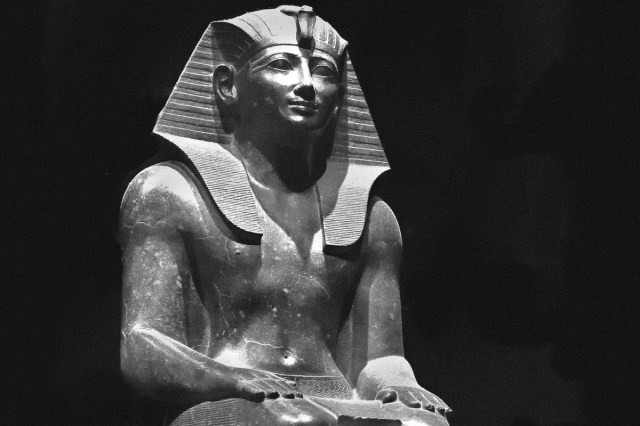
In 2022, a British Egyptian archaeological team led by Piers Litherland unearthed the tomb of Pharaoh Thutmose II near Luxor, Egypt. The tomb is 3,500 years old and was initially believed to have belonged to a royal wife due to its location, but inscribed fragments of alabaster canopic jars bearing Thutmose II's name confirmed it was intended for the pharaoh. Despite the absence of the king's remains, which were likely relocated following a flood a few years after he was entombed, the find is considered the most significant ancient Egyptian discovery since Tutankhamun's tomb was uncovered in 1922.
In comparison to other Egyptian rulers, little evidence of Thutmose II’s reign has been found. This discovery has helped resolve long-standing questions about the burial sites of pharaohs from early in Egypt’s 18th dynasty. The tomb's unique location, more than a mile west of the Valley of the Kings necropolis, has also challenged previous assumptions about royal burials during this period.
Author Kristina Wright
March 19, 2025


Comments
Post a Comment