The Story of Alexander the Great, in 6 Facts

In 356 BCE, in the city of Pella, the ancient capital of Macedonia, a baby boy was born to the king of Macedon, Philip II, and his fourth wife, Olympias. Philip celebrated the arrival of his first son and future heir, but not even the proud king could have imagined how far the boy, Alexander, would go.
King Philip II had already overseen the reformation of the Macedonian army, with the establishment of the phalanx infantry formation (a dense line of soldiers standing shoulder to shoulder) and the brutally effective use of long sarissa pikes and siege engines. But it was Alexander, who succeeded to the throne at just 20 years old following his father’s assassination, who took this fearsome force to a whole new level. He engaged in military campaigns against the Greeks and then the Persians, and in little over a decade had conquered most of the known world — all before his sudden death at age 32.
Here are six facts about Alexander III of Macedon, more commonly known as Alexander the Great, a man widely considered the greatest and most successful military commander in history.
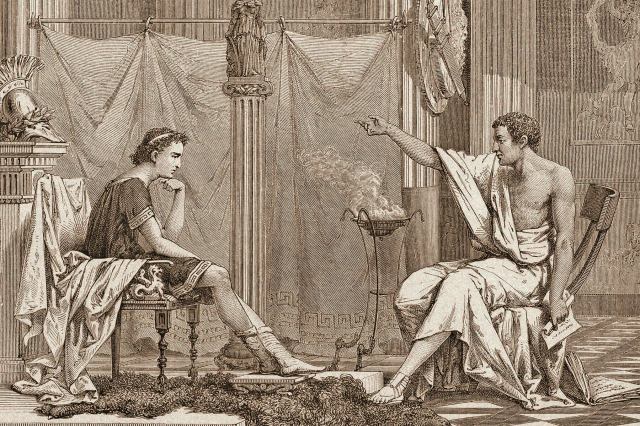
Aristotle Was Alexander’s Teacher
As the son of royalty and heir to the throne, Alexander was expected to receive a fine and princely education. But Alexander’s schooling went above and beyond: His teacher was none other than Aristotle, one of the greatest philosophers who ever lived. The famed scholar was summoned by King Philip II around 343 BCE, when Alexander was 13 years old. Aristotle tutored Alexander on a wide range of subjects, including philosophy, ethics, science, and the arts, in an attempt to create an enlightened monarch who would rule in a fair and just manner — something arguably lost on Alexander in later years, as his military leadership increasingly veered toward megalomania.
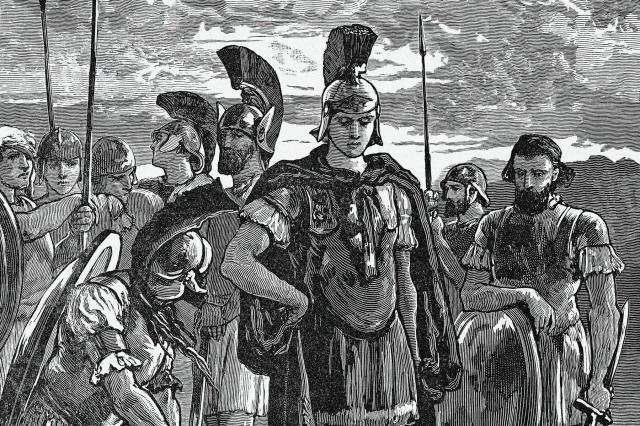
Alexander Was Never Defeated in Battle
Alexander succeeded to the throne in 336 BCE, and soon went to war, spending most of his reign engaged in lengthy military campaigns throughout Western Asia, Central Asia, parts of South Asia, and Egypt. Incredibly, Alexander was never defeated in battle, despite often being outnumbered. He won at least 20 major battles against significant military powers, including the Greek city-states, Egypt, and Persia. Not only was Alexander a masterful tactician and general, but he also inspired extreme loyalty among his soldiers, who refused his orders only once during the so-called Hyphasis Mutiny, when his exhausted men refused to march further into the Indian subcontinent.
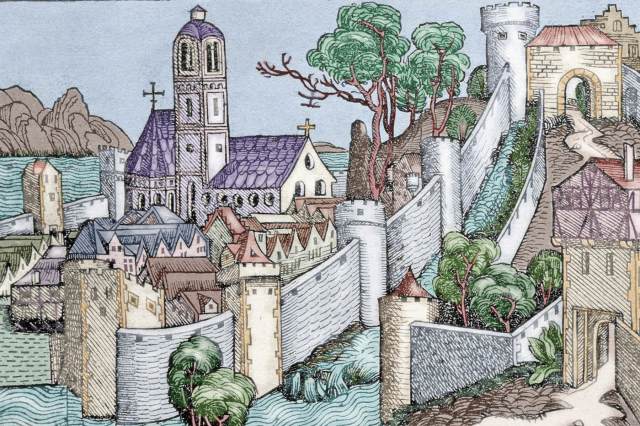
Alexander Founded Many Cities
During his reign, Alexander the Great conquered the Greek city-states and the mighty Persian Empire. In doing so, he created an empire that spanned three continents and covered about 2 million square miles. According to the ancient Greek philosopher Plutarch, Alexander also founded more than 70 cities, though modern historians place the number between 10 and 20. Many of these he named after himself, including Alexandria Troas in Turkey, Alexandria Arachosia and Alexandria Ariana in what is now Afghanistan, and, most notably, Alexandria, which is the second largest city in Egypt today.
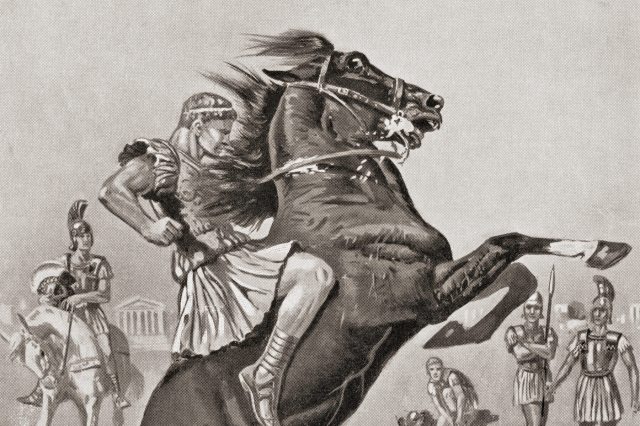
Bucephalus Was Alexander’s Faithful Warhorse
Bucephalus is one of the most famous horses from classical antiquity. According to Plutarch, the horse was given as a gift to Alexander's father, Philip II. But the animal was aggressive and unmanageable, and wouldn’t allow anyone to mount him. Seeing this, Alexander, just a boy at the time, asked permission to tame the horse, saying, “What an excellent horse do they lose, for want of address and boldness to manage him!” His elders laughed at him, but Alexander proved them wrong, managing to ride and ultimately tame the wild creature. Bucephalus became Alexander’s mount of choice and was with him throughout his campaigns. He held the horse in such high regard that he even named a city — Bucephala in modern-day Pakistan — in honor of his faithful steed.
Alexander Took Huge Risks With His Own Life
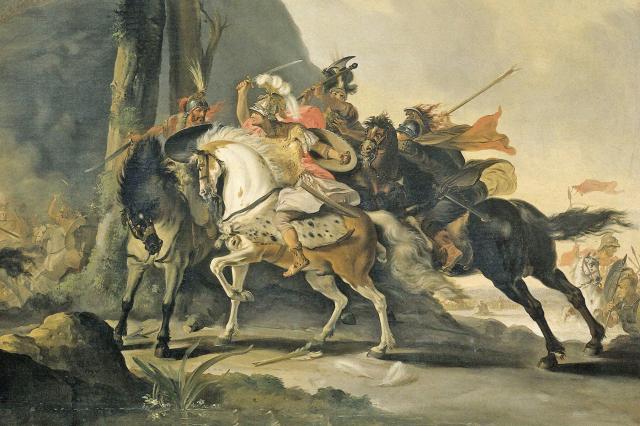
One of the reasons Alexander inspired such devotion and sacrifice in his soldiers was his willingness to charge into battle on the front lines beside them. This, however, was a huge risk, and Alexander came close to death more than once. At the Battle of Granicus in 334 BCE, for example, Alexander was seconds away from receiving a fatal blow from a Persian soldier, only to be saved in the last moment by one of his companions, Cleitus the Black. Later, during the Indian campaign, Alexander received his most severe wound when an enemy arrow pierced his lung. Word soon spread that he had died, but Alexander survived. When he had fully recovered, he presented himself to his awaiting troops, to the cheers and even tears of his soldiers.
Alexander’s Death Is Shrouded in Mystery
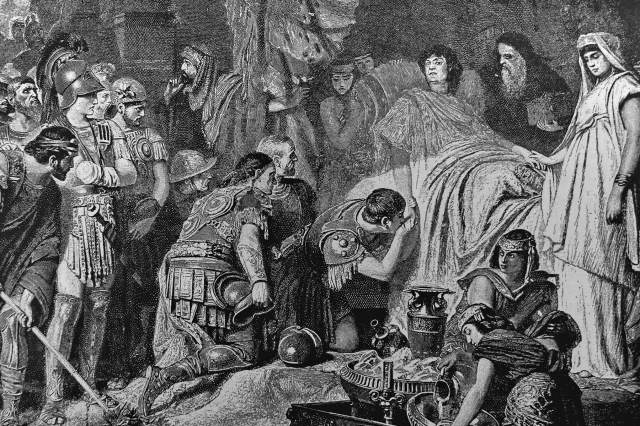
The death of Alexander the Great remains one of history’s greatest mysteries. We know that Alexander, at the age of 32, fell ill during a days-long period of festivities, collapsing and complaining of a searing pain in his back. An intense fever followed, and he died 12 days later. From that moment up until the present day, the exact cause of his death has been a topic of much debate. Numerous theories have been proposed, including alcoholic liver disease, malaria, typhoid fever, and assassination by strychnine poisoning. While we might never know the truth about Alexander’s death, we could one day solve one of archaeology’s other great mysteries: the location of his tomb. Numerous theories exist regarding the tomb’s location, placing it anywhere from Egypt to Greece. It’s possible it was destroyed and will never be found — but that won’t stop archaeologists from searching for the final resting place of history’s greatest general.


Comments
Post a Comment