7 Shocking Medical Beliefs From Ancient Greece

The ancient Greeks are widely regarded as the founders of modern medicine. Yet initially, they saw illness as a divine punishment and healing as a literal gift from the gods — beliefs not uncommon in the ancient world. By the fifth century BCE, however, the Greeks began testing and advancing medical theories based on actual scientific observations — cause and effect — rather than spiritual beliefs alone.
Three factors began to take prominence in ancient Greek medicine: diet, drugs, and surgery. Diet was particularly important and, when combined with medicine and surgery, created a holistic approach to health and healing. Still, this was more than 2,000 years ago, and the ancient Greeks never entirely separated the spiritual world from the physical. Modern medicine has come a very long way in two millennia, and today, some medical practices from ancient Greece seem strange at best, and even downright shocking.

Tasting the Humors
The Greek physician Hippocrates was fundamental to the medical advancements of ancient Greece, and he is still revered for his ethical standards in medical practice. (Many doctors still take a modernized version of the Hippocratic oath.) Hippocrates was particularly taken by the idea that the human body contained four humors, or fluids: black bile, yellow or red bile, blood, and phlegm. In humoral theory, these fluids held the key to medical diagnosis. As such, Hippocrates routinely tasted his patients’ urine, pus, and earwax, and smelled and scrutinized their stools and vomit. You certainly can’t fault his dedication, even if such practices seem gruesome today.
Music for Vipor Bites
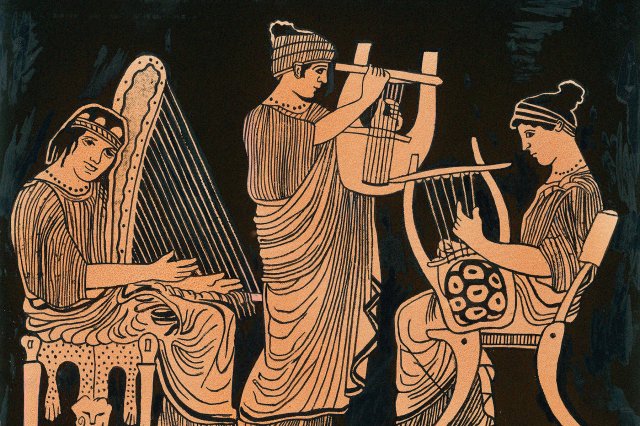
Modern music therapy began as an organized and respected profession in the 1950s, and is now accepted as a scientifically based method of emotional, cognitive, and physical healing. But the ancient Greeks also used song as a therapeutic aid. The philosopher Theophrastus saw music as a cure for many ailments, including fainting, panic attacks, sciatica, and epilepsy. Another Greek philosopher, Democritus, believed that viper bites could be cured by skillfully played flute music.
Poison as a Cure
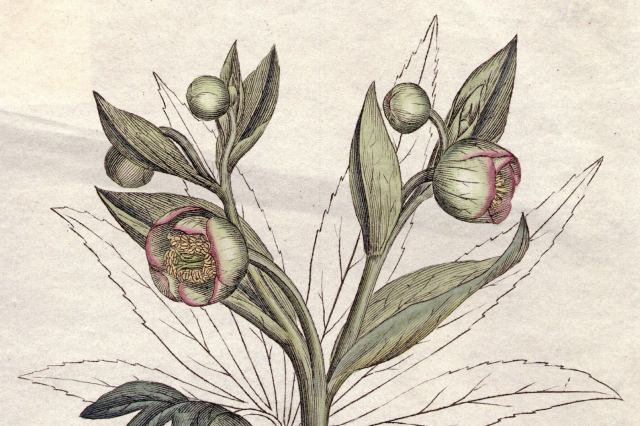
The Greeks used a wide range of narcotic drugs as cures or remedies, including mandrake, opium poppy, nightshade, henbane, and hellebore. The last, in particular, was used to treat numerous ailments, including gynecological disorders, vomiting, skin conditions, humoral imbalance, and lung problems. This was a tricky business, however, as hellebore is toxic and potentially fatal in high doses — in fact, poisoning by hellebore may have caused the death of Alexander the Great. Ancient Greek physicians, when recommending the use of hellebore, were particularly careful to warn of its potentially lethal nature if administered carelessly.
Bloodletting
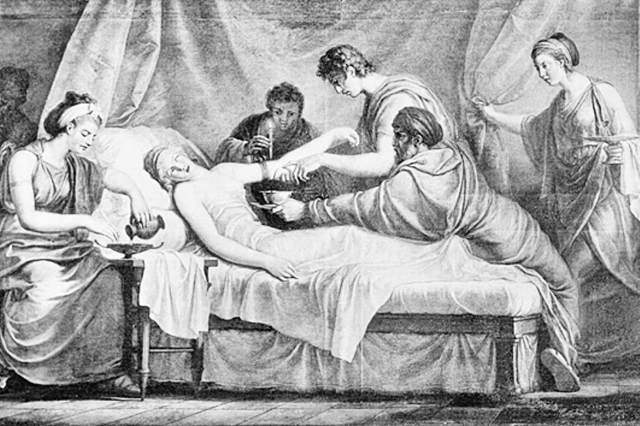
Bloodletting — the removal of blood for medical treatment — is considered one of the oldest medicinal practices. It is thought to have originated in ancient Egypt before spreading to Greece. The Greeks believed that many illnesses stemmed from an overabundance of blood (one of the four humors) in the body, a condition known as plethora (a word of Greek origin meaning “fullness”). In order to restore balance, excess blood was removed from the patient’s body through surgical incisions or the use of leeches.
Jumping Backward as Birth Control
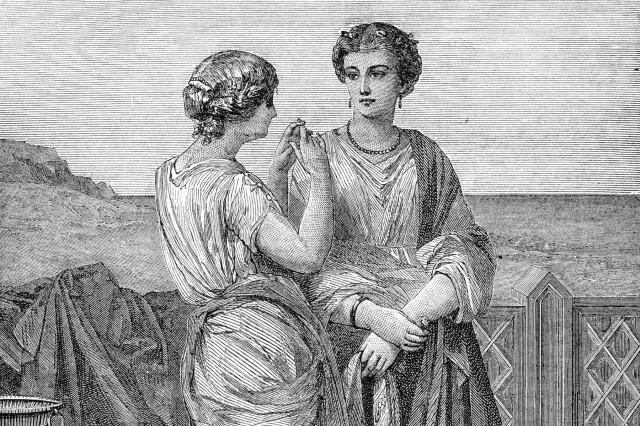
The ancient Greeks proposed a number of contraceptive theories and methods, involving everything from cedar oil ointments to eating pomegranate seeds. Two of the strangest contraceptive suggestions came from Soranus of Ephesus, who suggested that women jump backward seven times after intercourse. Alternatively, and equally bizarrely, he recommended that women wishing to prevent pregnancy drink the water used by blacksmiths to cool their metal.


Comments
Post a Comment