Why Do We Throw Rice at Weddings?
If you’ve been to a few weddings, you probably know the flow by now: the vows, the kiss, and then the party, with a few time-honored traditions woven in. One of the most iconic rituals? Guests showering the newlyweds with rice as they make their grand exit. It’s a festive moment and makes for a great photo, but have you ever stopped to wonder where this tradition comes from?
What may seem like a simple gesture is actually rooted in centuries of symbolism. That tiny grain of rice carries big meaning, representing fertility, abundance, and good fortune — and the practice shows up in different forms across cultures and eras. Let’s take a look at how rice-throwing became a wedding classic, and why grain-tossing rituals have endured through the centuries.
Grains Were Linked to Ancient Fertility
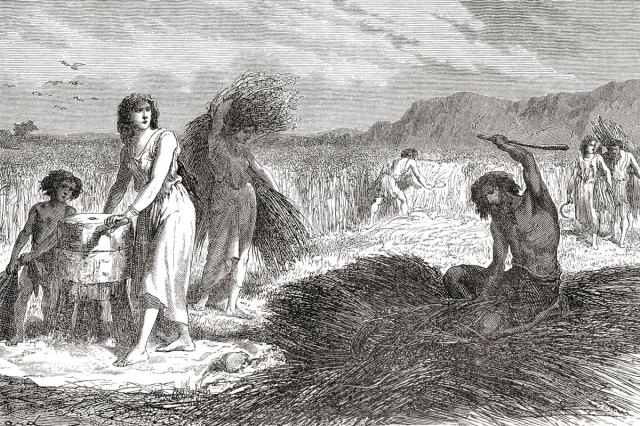
In ancient agricultural societies, fertility wasn’t just desirable — it was vital to both survival and spiritual life. Ensuring crops grew, families expanded, and communities thrived depended on a close relationship with the natural world. People believed that calling on the natural crop cycles — planting, harvest, and renewal — during a marriage could help ensure the couple’s future would be equally productive. Showering newlyweds with grains was a symbolic way of welcoming the life-giving forces of nature into the new union.
Among early cultures such as the Celts and Mesopotamians, native grains including wheat and barley were considered sacred symbols of abundance and growth. These grains played a role in wedding ceremonies as offerings to spirits or deities associated with fertility and harvest. In some traditions, they were thrown at the bride and groom to bless them with children and prosperity. The act of tossing grain physically reinforced the hope that their marriage would be as fruitful as a well-tended field.

Greeks and Romans Tossed Grains To Call on the Gods
As civilizations became more organized, these agricultural customs became woven into more formal religious traditions. In ancient Rome, guests often tossed wheat or barley at weddings in honor of Ceres, the goddess of agriculture, fertility, and family. Roman brides sometimes wore crowns or garlands of wheat in their hair, highlighting their expected role in continuing the family line.
Greek ceremonies included similar practices, invoking Demeter, the goddess of the harvest, through offerings of grain. These were not simply quaint traditions — they reflected larger beliefs about the social order, divine favor, and the sacredness of the household. In both cultures, grains were offered not only for luck but also as part of a broader worldview that linked successful marriages with divine blessing and societal stability. A good harvest and a good marriage were seen as intertwined — and both needed the favor of the gods.
Rice Played a Sacred Role in Ancient Asian Ceremonies
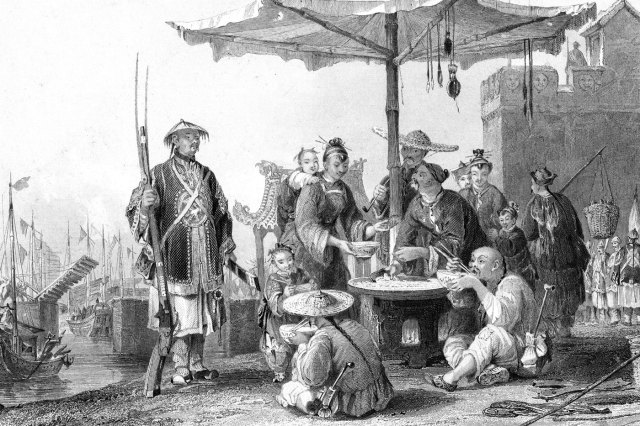
While wheat and barley featured prominently in the West, rice took on sacred importance in many Asian cultures. In China, rice has symbolized life, wealth, and harmony with nature for thousands of years. Historically, rice featured prominently in ancestral offerings and seasonal rites, and its association with fertility and family continuity made it a natural part of wedding customs. In some regions, for instance, rice was scattered around newlyweds to bless the union or offered to ancestors to gain their favor for the marriage.
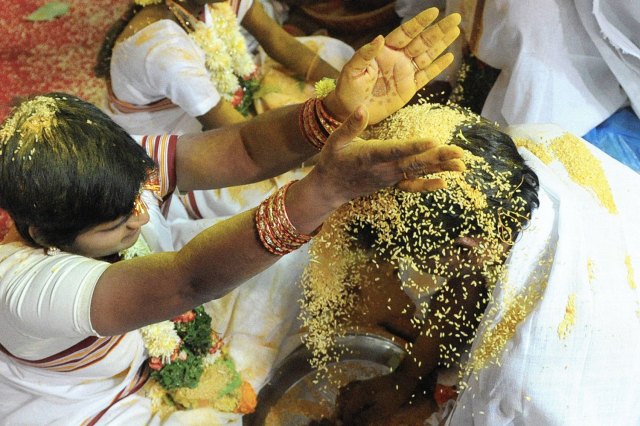
In India, rice has been integral to Hindu wedding rituals for thousands of years. One of the most meaningful customs is Akshata, in which whole grains of rice — often dyed with turmeric or vermilion — are showered on the bride and groom as a symbol of abundance, fertility, and divine favor.
Across Southeast Asia, similar rituals appear, many tied to local fertility goddesses, such as Dewi Sri in Indonesia. Wedding ceremonies often include offerings of rice to spirits or deities to ensure harmony, fertility, and a blessed union. In these cultures, rice is not just food but also spiritual currency, deeply connected to the cycles of life and marriage.
Rice Was Introduced to Europe Through Trade
Despite its importance elsewhere, rice was largely unfamiliar in Europe until it began arriving via trade routes from Asia and the Middle East. By the Middle Ages, it had made its way into European markets, thanks to expanding contact with the Islamic world in places such as Spain and Sicily, and increased trade spurred by the Crusades.
At first, rice was considered a luxury item — rare, expensive, and used mostly by the wealthy. But over time, it became more accessible and began appearing in ceremonial contexts, including weddings. Its symbolism — fertility, longevity, and abundance — dovetailed neatly with older European traditions. Long before rice arrived, rural communities used native grains such as wheat, oats, and barley in wedding rites to bless the couple with prosperity and children.
By the 19th century, throwing rice at weddings had become a widespread and beloved tradition in Western cultures. It was a way of honoring ancient fertility symbols with a modern twist, combining imported ingredients with long-held wishes for joy, health, and a flourishing family life.
How the Rice-Throwing Ritual Has Changed
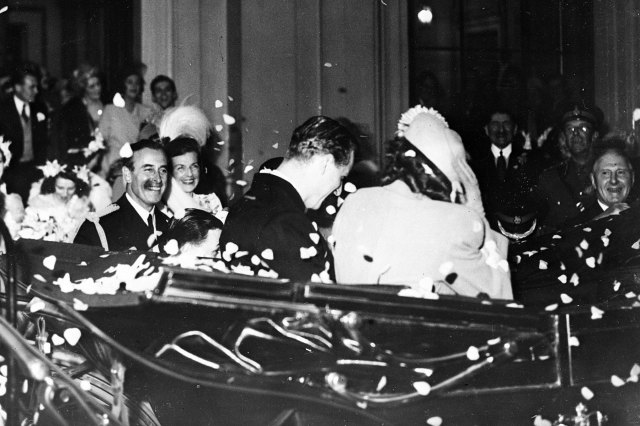
In recent decades, the tradition of throwing rice has shifted as couples opt for alternatives that are either more environmentally friendly or better suited to specific venues. Today, it’s not uncommon to see guests showering newlyweds with dried flower petals, birdseed, bubbles, or biodegradable confetti. These variations serve the same symbolic purpose — celebrating the beginning of a new life together with joy and good wishes — while also accommodating modern sensibilities.
Some venues discourage the use of rice because of cleanup concerns or the widespread (but incorrect) belief that it harms birds. That myth, which gained traction in the 1980s, claimed that birds would eat the rice, which would swell in their stomachs and cause injury or death. However, wildlife experts and ornithologists have since debunked that idea. Birds can digest uncooked rice just fine — after all, it’s a staple food for many wild species around the world.
While fewer couples may use rice today, the impulse behind the tradition endures. Whether it’s a cloud of bubbles or a scatter of petals, these celebratory send-offs are a continuation of an ancient wish: that the couple’s new life will be fruitful, joyful, and blessed with abundance.


Comments
Post a Comment